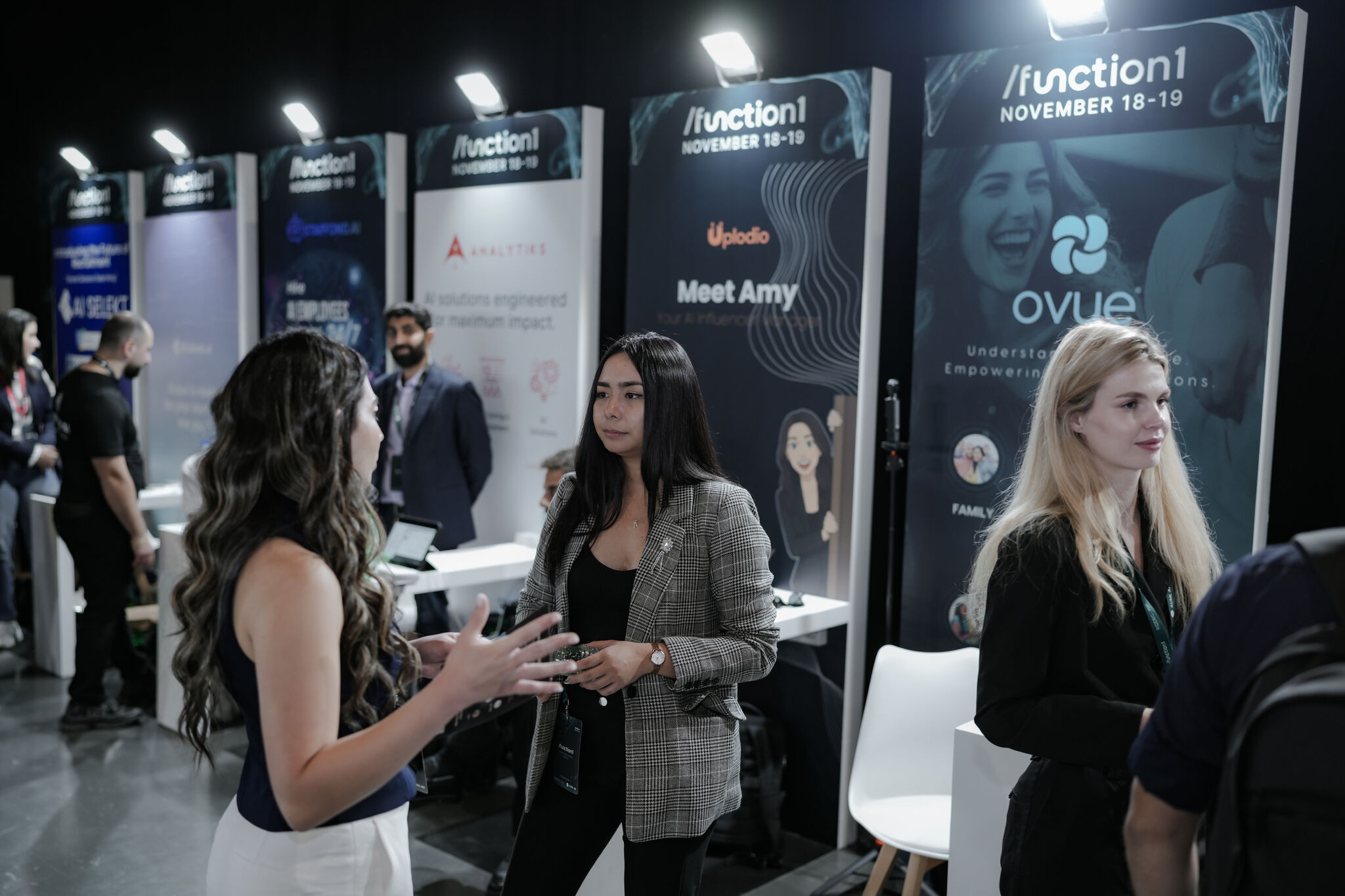
Maritime Industry Case Study: Inside the Reality of Life at Sea
Kenny Berylle
In January 2026, the maritime industry implemented a landmark global PSSR (Pre-Sea Safety Requirements) mandate requiring comprehensive training for all seafarers on wellbeing, harassment prevention, and abuse intervention. In response to this regulatory shift, OVUE Corporation conducted an investigative vessel tour in New Orleans to understand the lived reality behind these new requirements.
What we discovered goes far beyond compliance checkboxes-it revealed a complex behavioral ecosystem where psychological safety directly impacts operational safety, where isolation meets intensity, and where the human factors of seafaring demand sophisticated solutions beyond traditional training programs.
The Investigation: New Orleans Vessel Tour
Background & Context
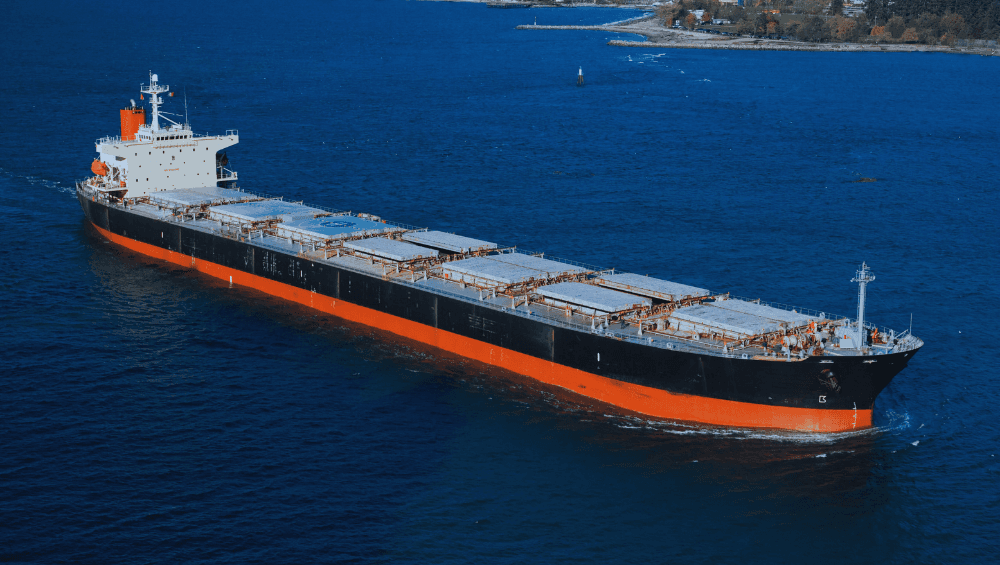
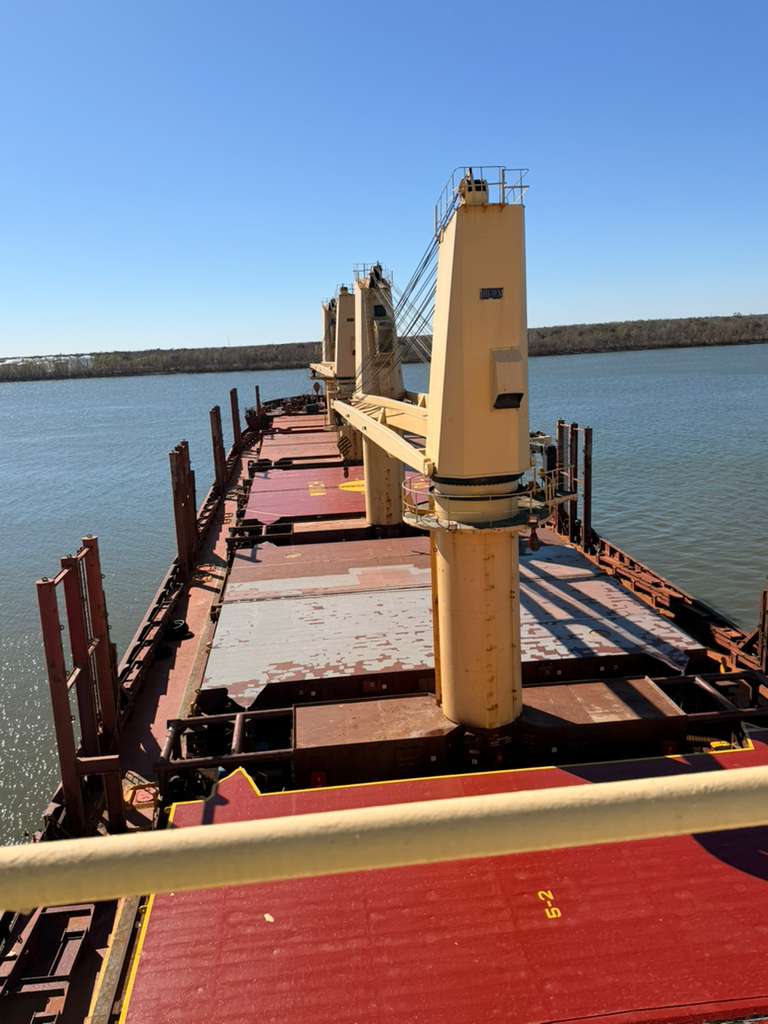
Through our strategic partnership with Conbulk and EPℇC, OVUE was granted rare access to tour an active cargo vessel passing through the Port of New Orleans-one of America's busiest maritime hubs and, personally, my hometown since immigrating to the United States in 2009.
The timing was deliberate. With the new PSSR mandate fresh in implementation, we needed to understand: What does wellbeing actually look like in the daily reality of seafaring? What are the behavioral and environmental factors that training programs must address?
The Experience: A Day in the Life
The Journey Begins
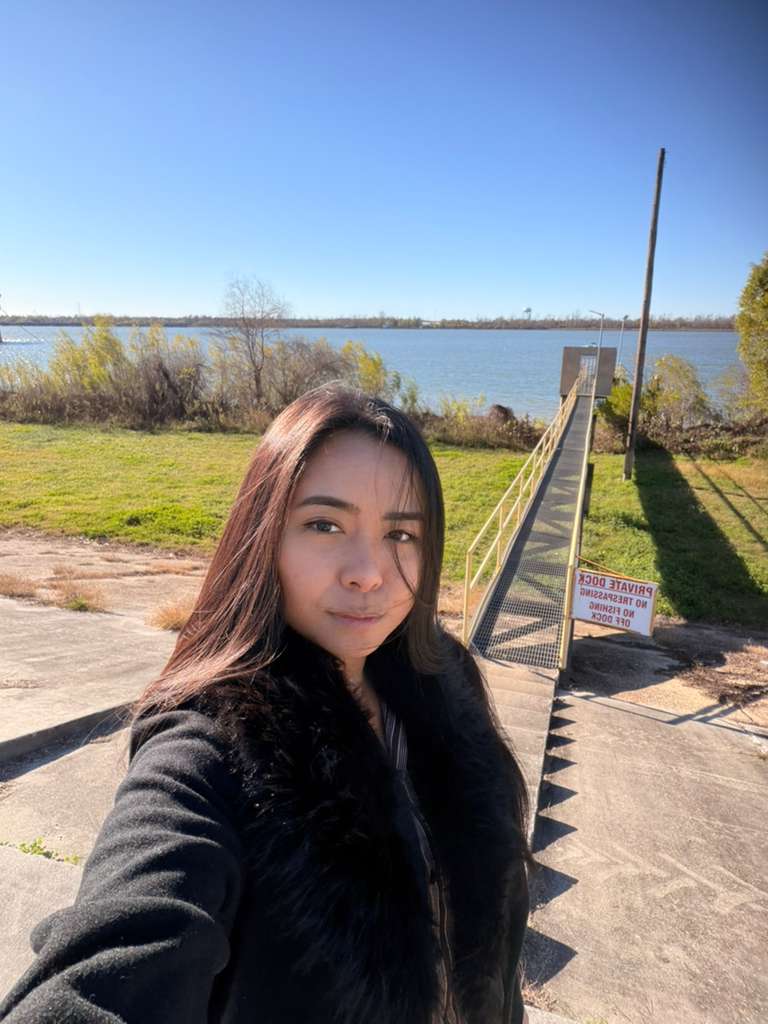
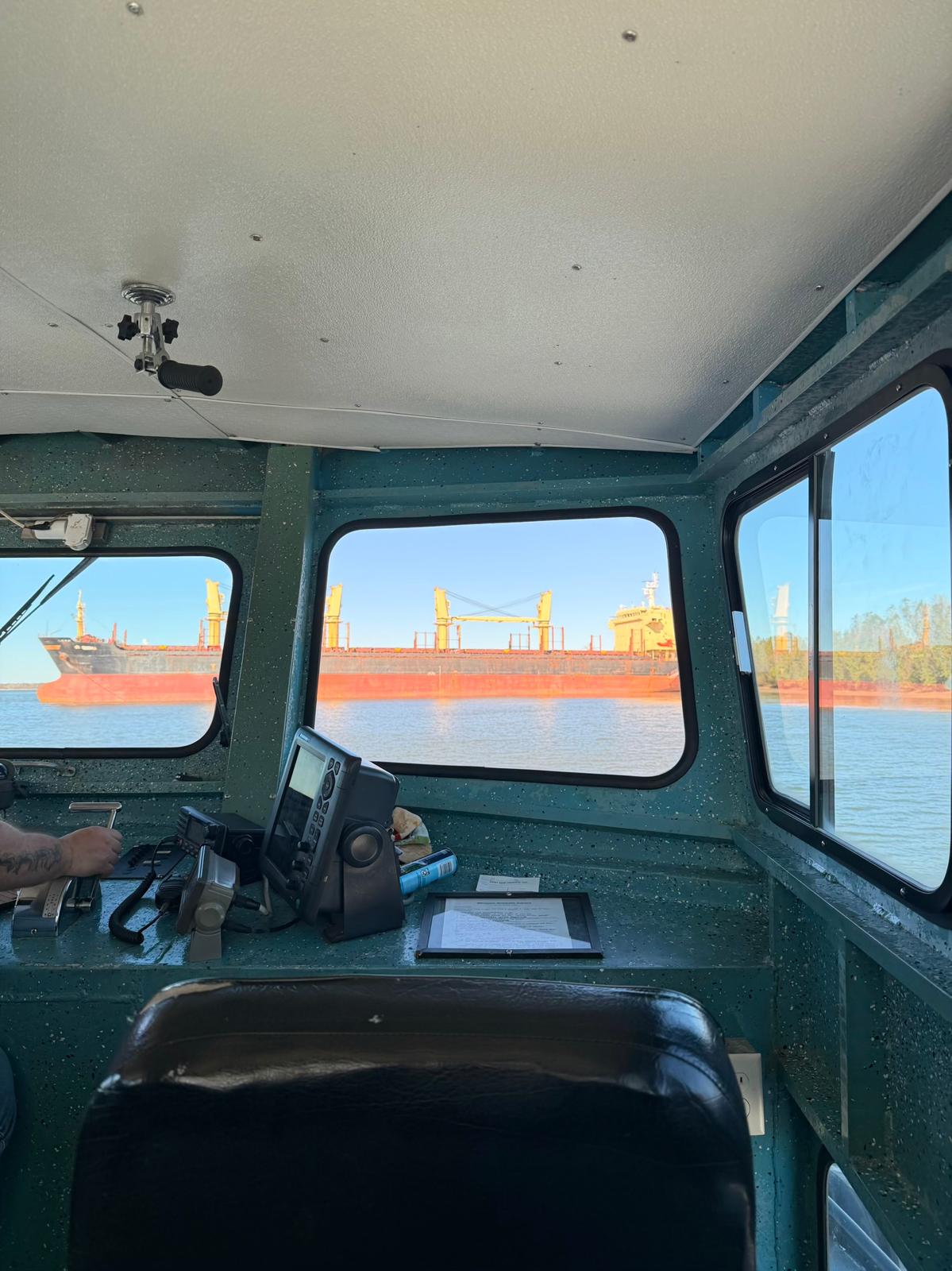
After coordinating with our partners, I arrived at the designated dock for pickup. A transfer boat-essentially "Uber for vessels"-transported me to the cargo ship anchored in deeper waters. The approach itself was instructive: even accessing these vessels requires coordination, timing, and physical capability.
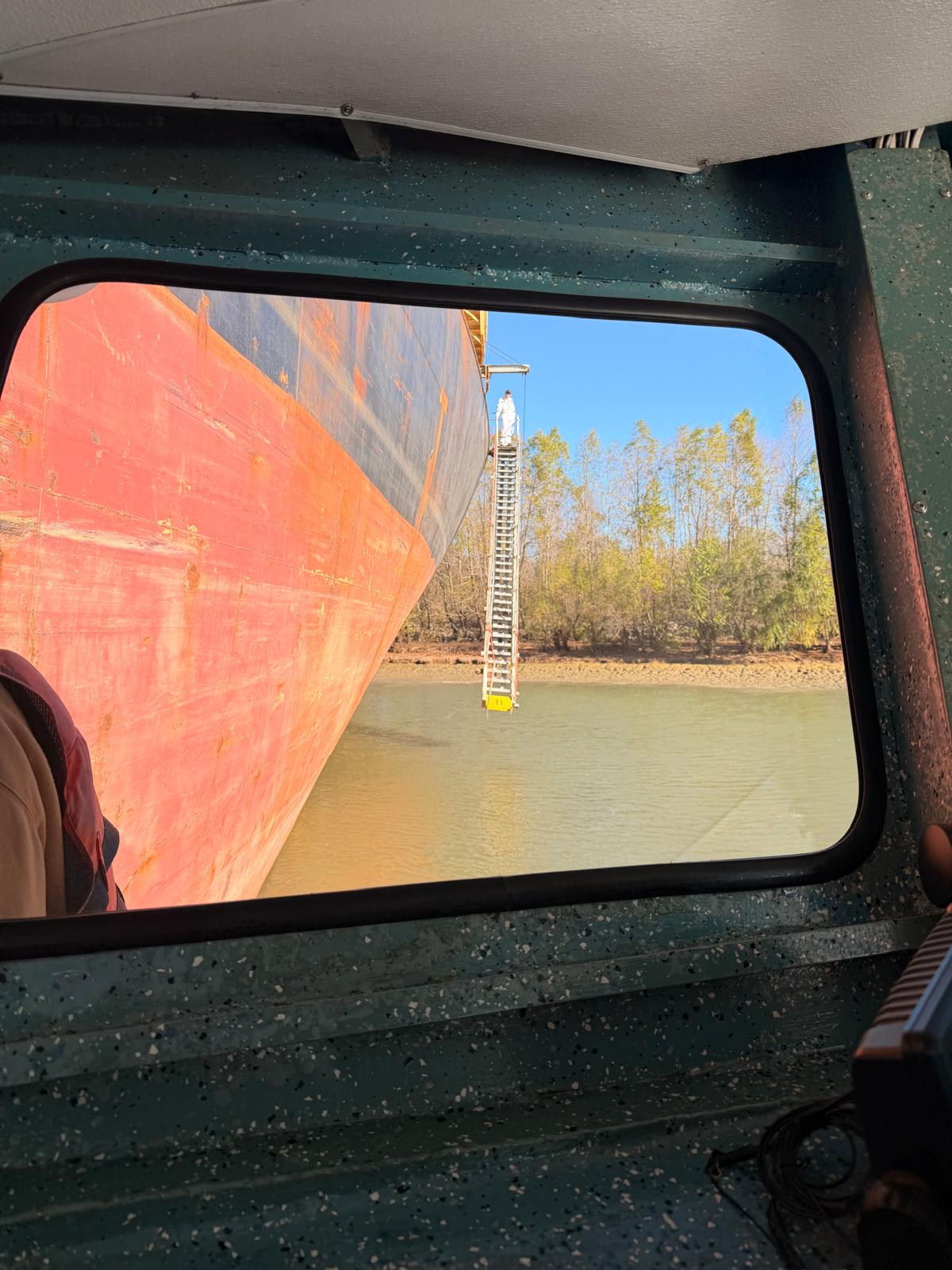
Climbing the external stairs to board presented the first tangible safety challenge. One misstep, one moment of distraction, and the hazard becomes immediately real.
Inside the Vessel: A Complex Operating Environment
The Captain, Superintendent, and crew greeted me warmly and initiated a comprehensive tour spanning the entire vessel:
Living Quarters: Compact cabins where crew members spend their off-hours
Galley & Dining: The social hub where meals bring the crew together
"Gym": Limited fitness equipment in confined spaces
Work Stations: Control rooms requiring constant monitoring and technical expertise
Cargo Holds: Massive storage areas demanding precision in loading and safety
Engine Rooms: The thunderous heart of the vessel, where noise reaches overwhelming levels
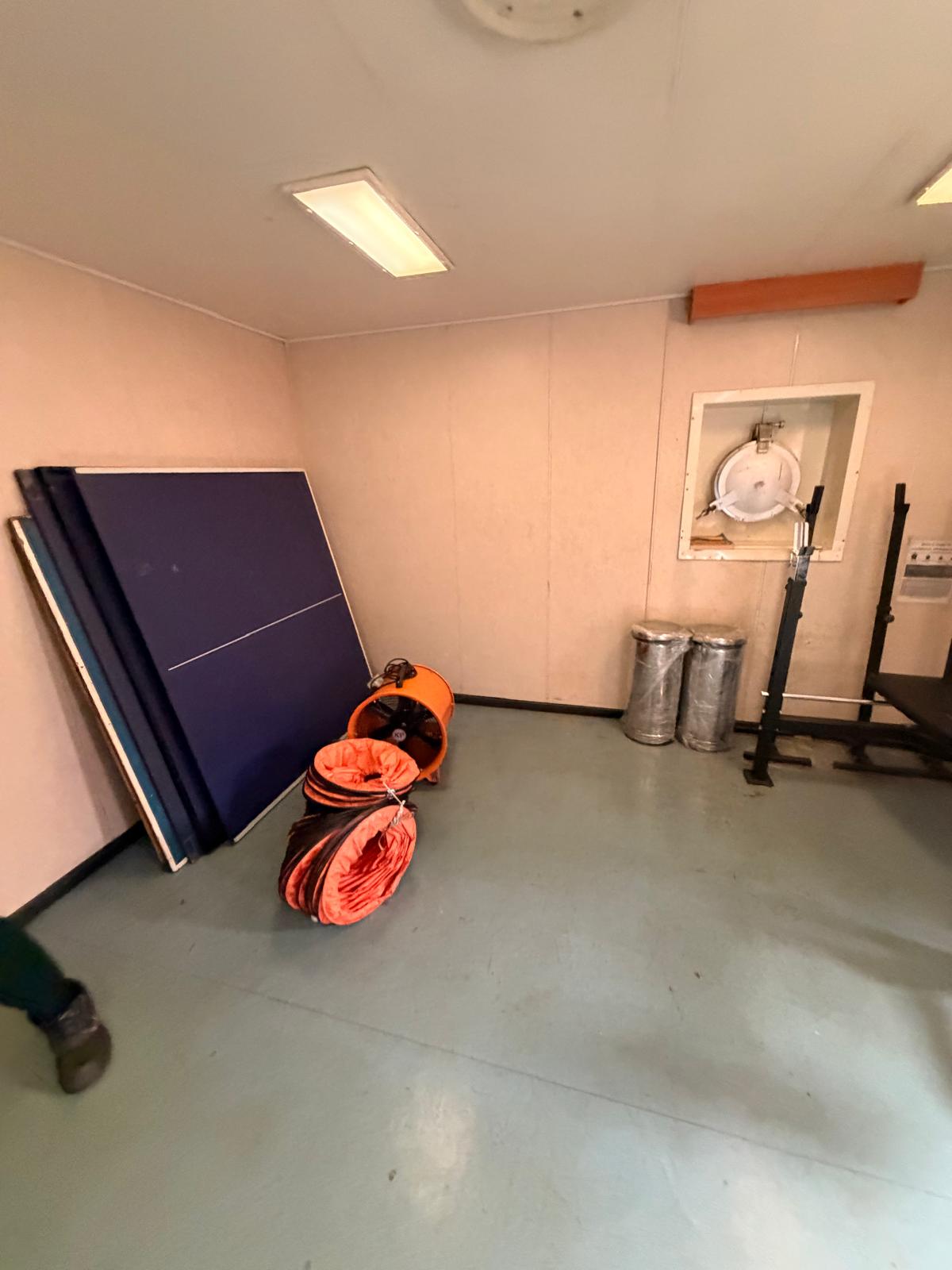
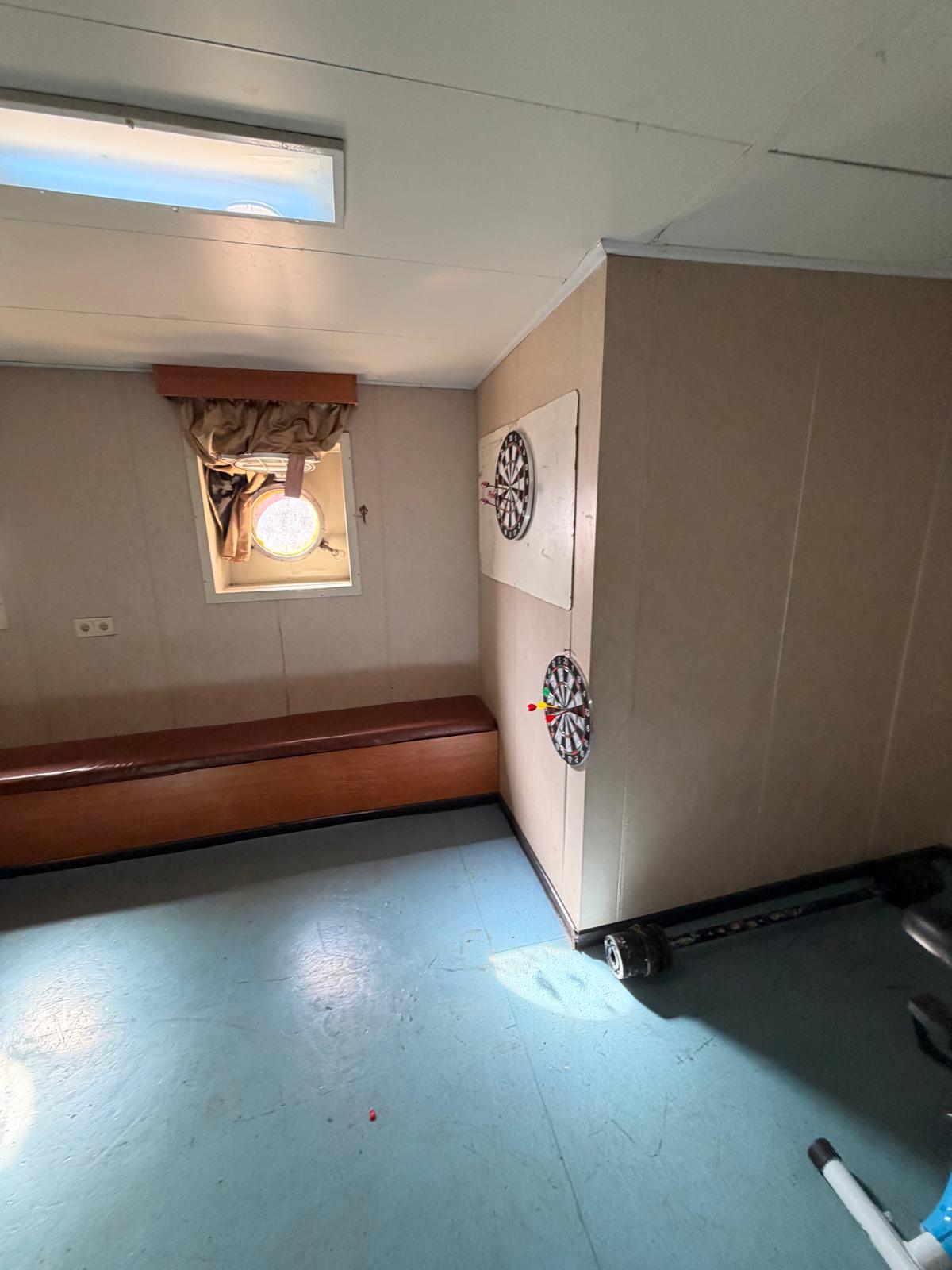
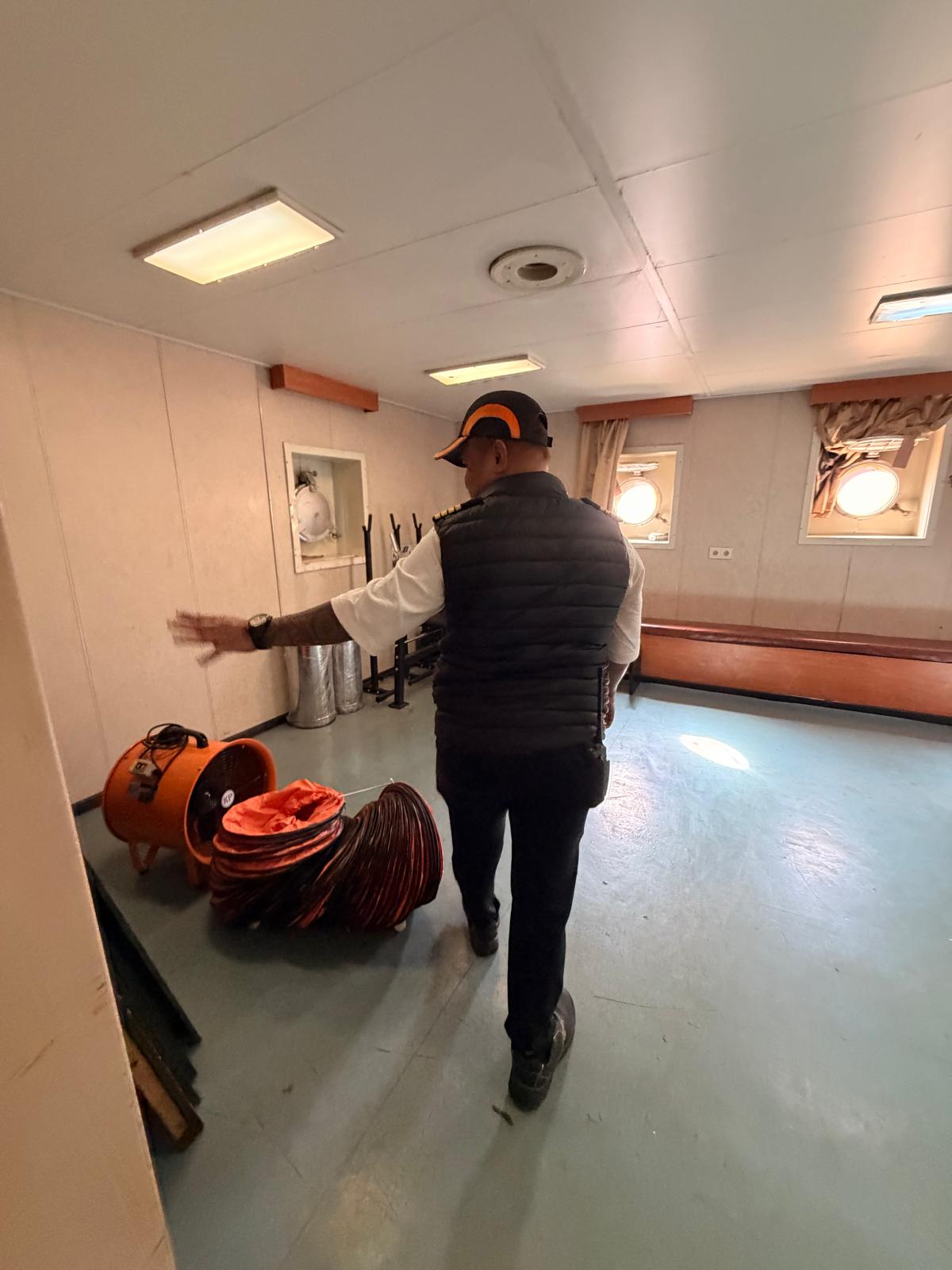
(Conbulk is investing in gym renovations and equipping it with state-of-the-art workout equipment to encourage recreation and fitness at sea)
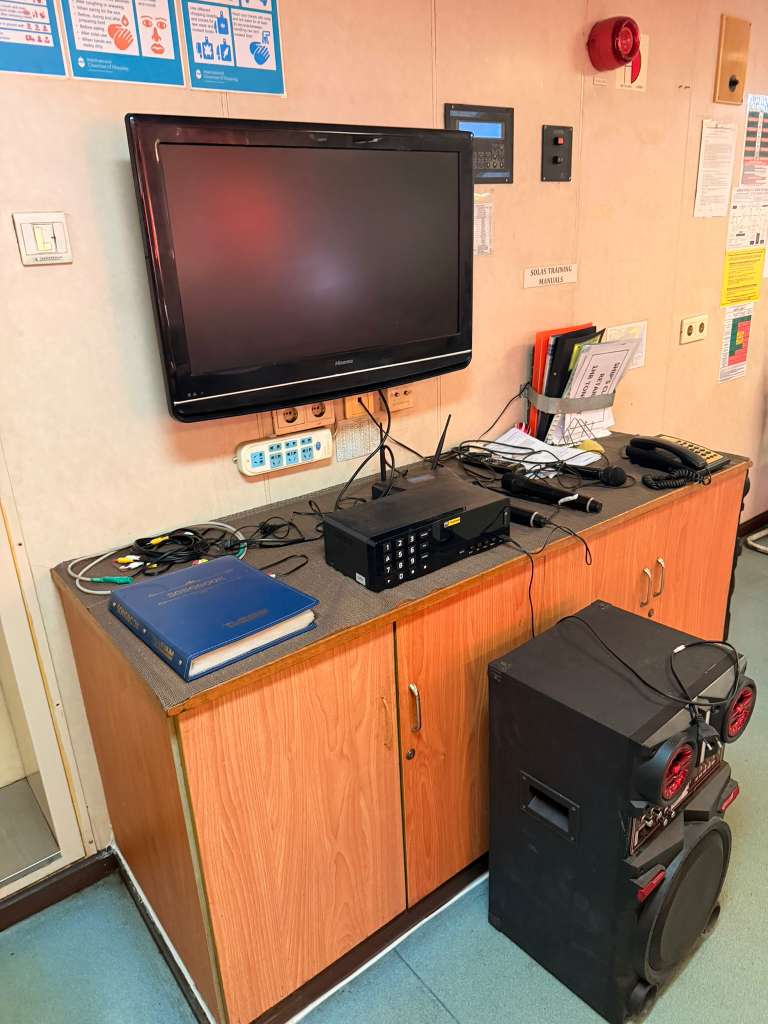
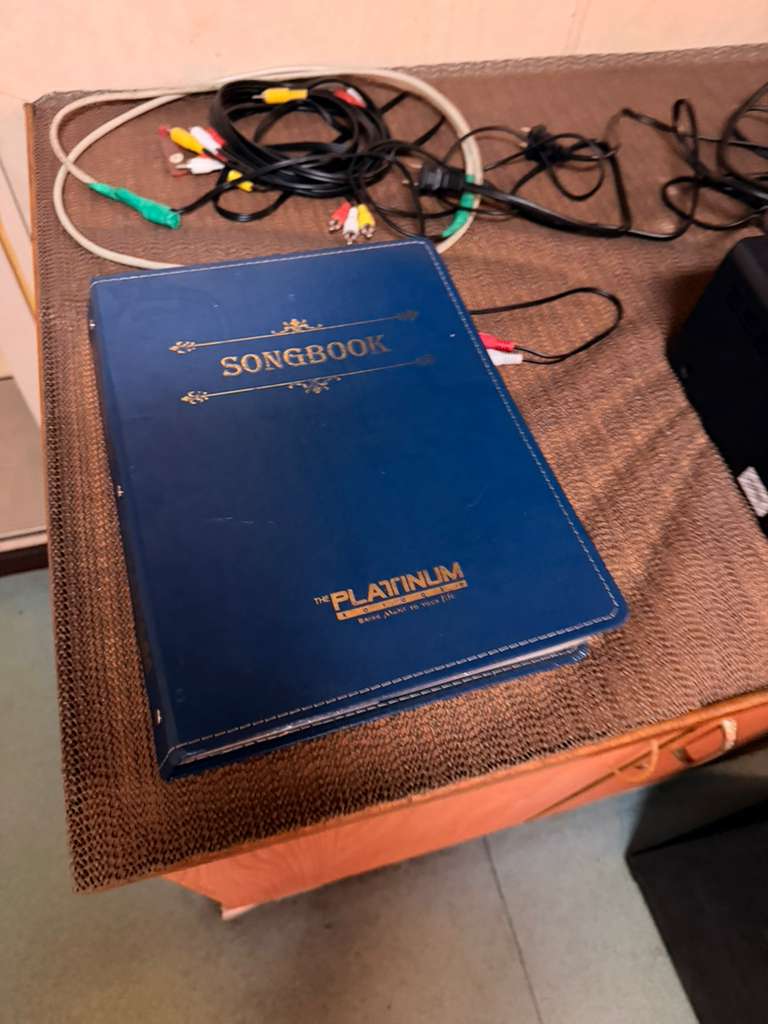
(It wouldn't be a Filipino Crew without a Karaoke Machine)
The Physical & Cognitive Demands
What struck me immediately was the intensity of the environment:
Sensory Overload: Engine noise creates a constant background roar. Warning signs, safety protocols, and operational instructions cover every surface. The sheer volume of visual and auditory information is exhausting.
Physical Demands: My smartwatch recorded 5,000 steps (approximately 2 miles) during the tour-and I only visited a fraction of the vessel once. Crew members navigate this daily, climbing stairs, moving between stations, and maintaining constant alertness.
Cognitive Load: Every room contains hundreds of pieces of critical equipment. Every operation requires specific knowledge, safety protocols, and collaborative coordination. A single oversight can halt operations or, worse, endanger lives.
Safety Intensity: The environment demands unwavering focus. Hazardous machinery, moving cargo, confined spaces, and dangerous equipment mean that attention lapses have immediate, serious consequences.
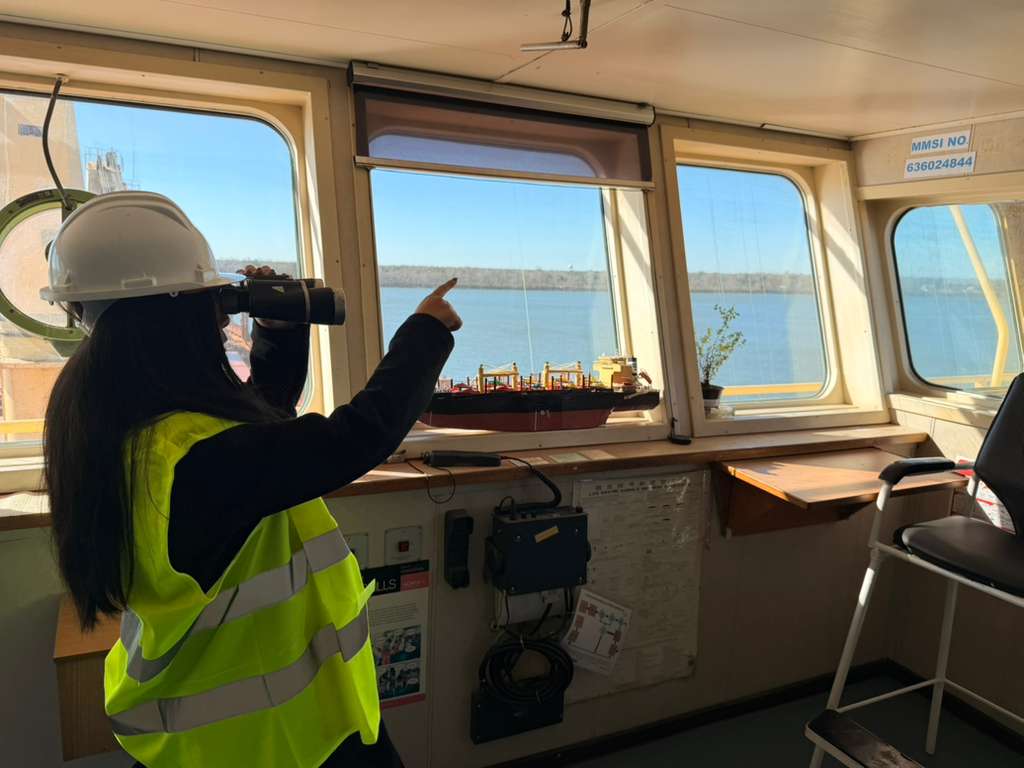
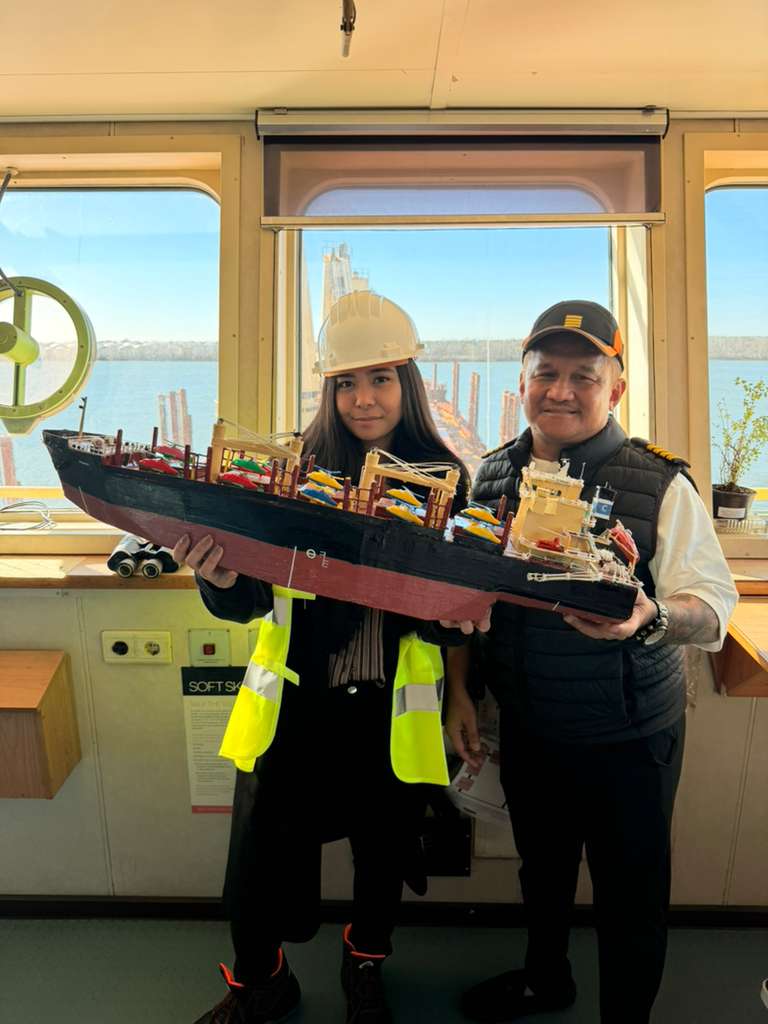
(Captain with his handmade cardboard copy of the Bulk Carrier Vessel we are on. ALL FROM HIS PHOTOGRAPHIC MEMORY!)
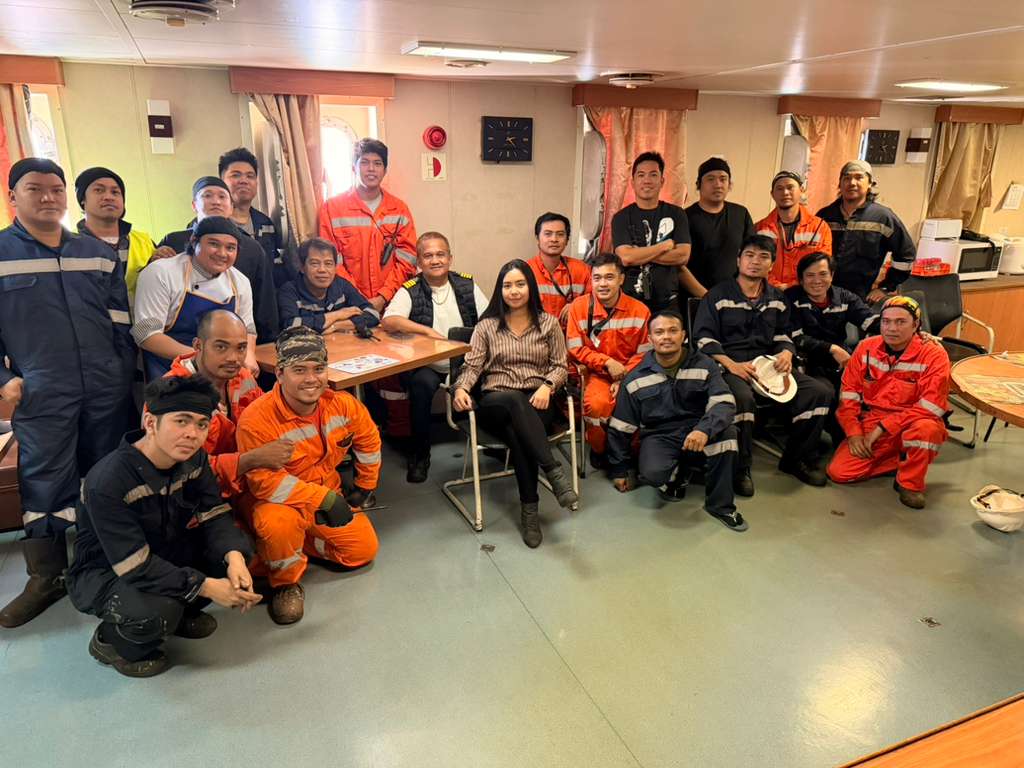
After the exhaustive tour, the ship's Filipino chef prepared an exceptional meal for us-a moment of genuine hospitality that revealed something crucial about seafaring culture. Despite the harsh operational environment, the crew creates moments of warmth, connection, and care for one another.
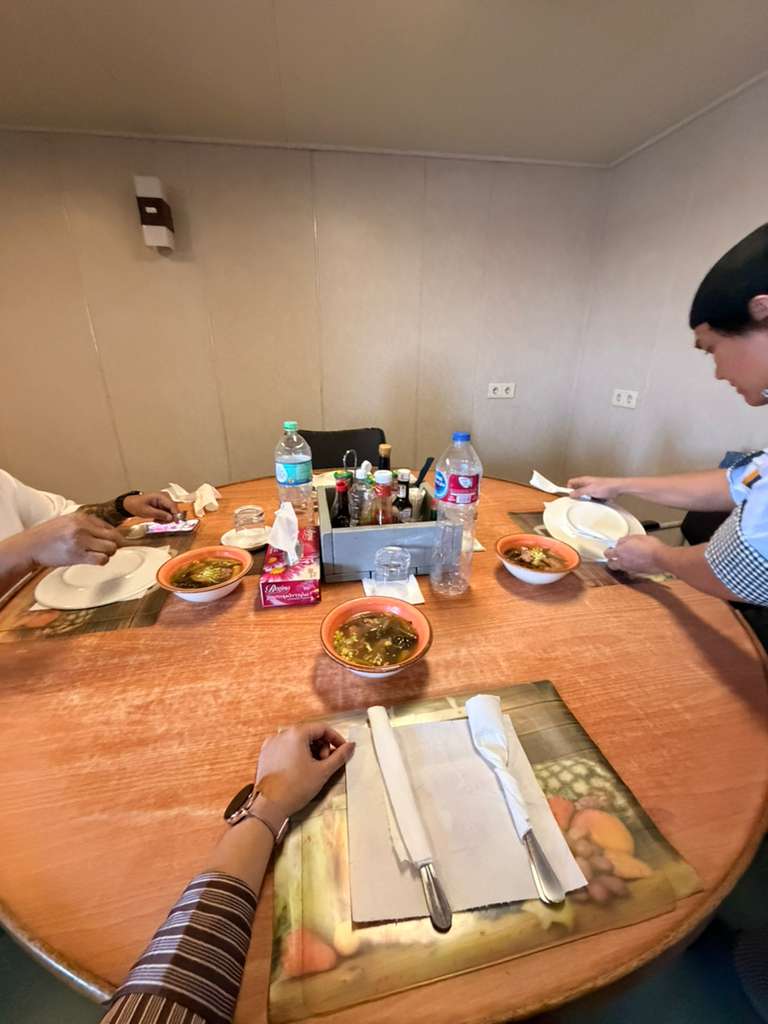
(Chef made a grand 4-course Filipino-Dish Meal along with Desserts!)
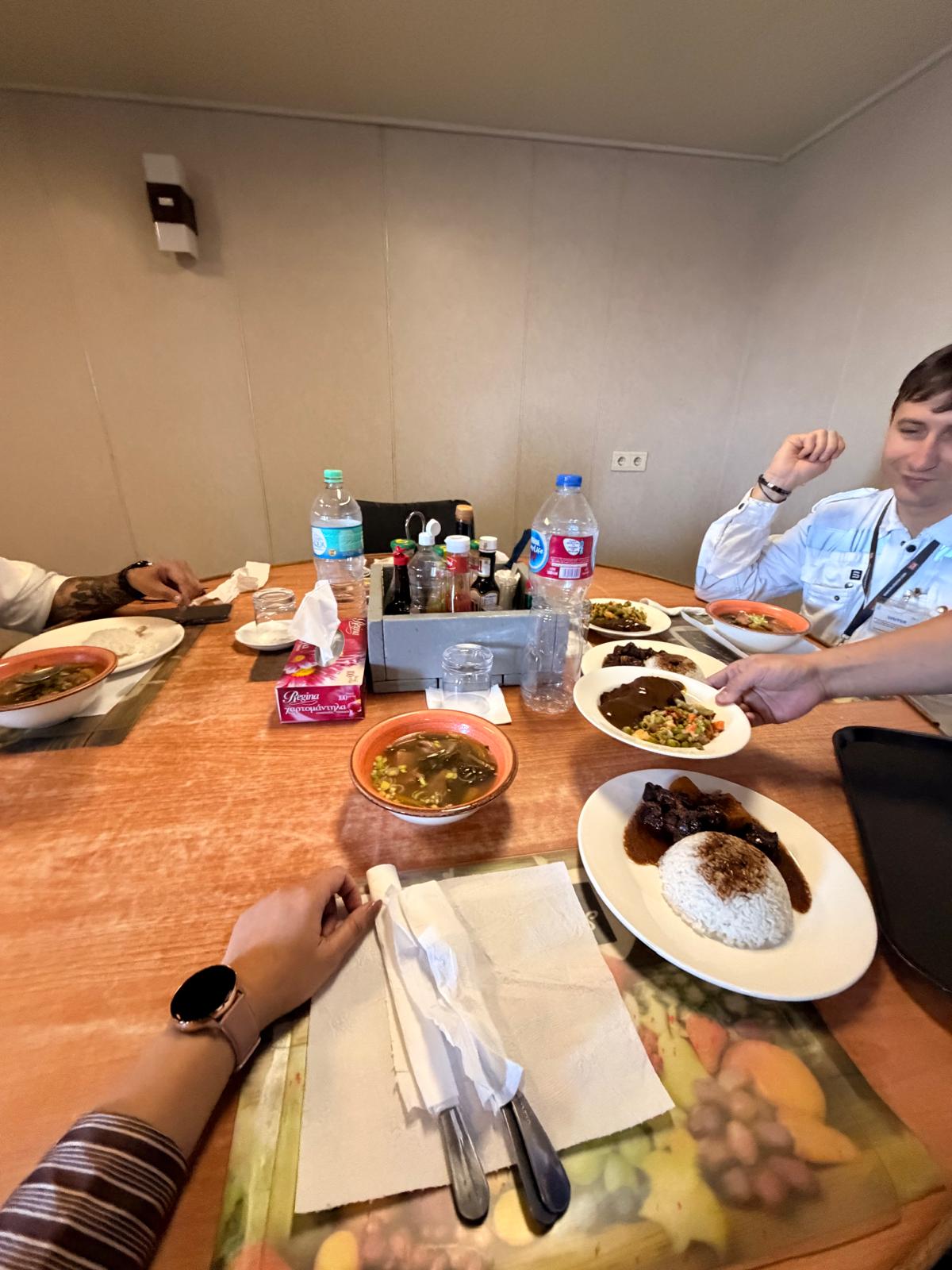
This hospitality felt like home being welcomed by people who've never met me. Hospitality in the vessel is a survival mechanism. When you're living with strangers for months at a time, far from home, these human connections become lifelines. I will always be grateful for their extensive care during my tour at the vessel, as it opened my eyes with the realities of the Life at Sea. Once again, thank you for my partners at Conbulk and EPℇC for making this trip a great and educational experience.
The Reality Check: What Seafarers Actually Face
The Isolation Factor
Seafarers typically serve contracts ranging from 3 to 7 months, with some extending to 11 months.(1) During this time, they experience:
Geographic Isolation: Weeks or months at sea without touching land
Social Isolation: Separated from family, friends, and familiar support systems
Cultural Isolation: Living and working with crew members from diverse backgrounds and languages
Digital Isolation: Limited or no internet connectivity in many routes
The Constraint Factor
Life aboard a vessel operates under severe constraints:
No Freedom of Movement: You cannot leave. The vessel is your entire world.
Limited Personal Space: Compact cabins offer minimal privacy
Restricted Recreation: Entertainment options are severely limited
Confined Social Circle: You live with the same small group 24/7, whether you get along or not
The Intensity Factor
The operational environment demands constant vigilance:
Safety-Critical Work: Every task carries potential consequences for crew safety and operational continuity
Physical Demands: Continuous movement through challenging environments
Cognitive Demands: Complex technical knowledge, multi-step procedures, and constant decision-making
Environmental Stressors: Noise, weather, motion, and confinement create persistent stress
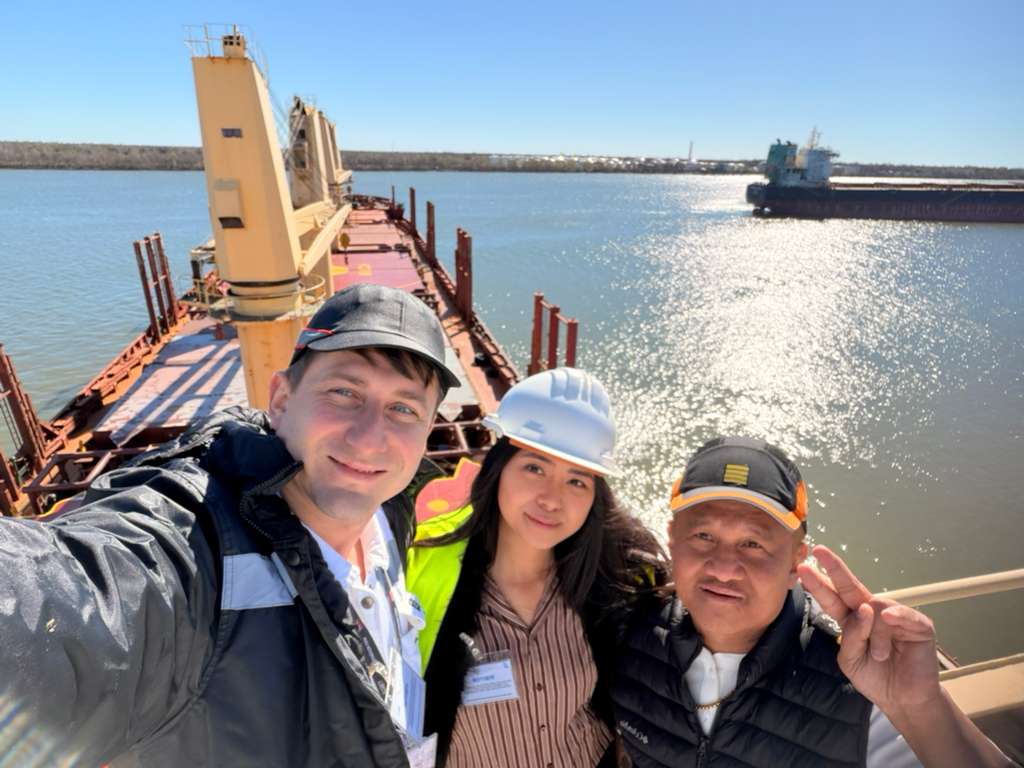
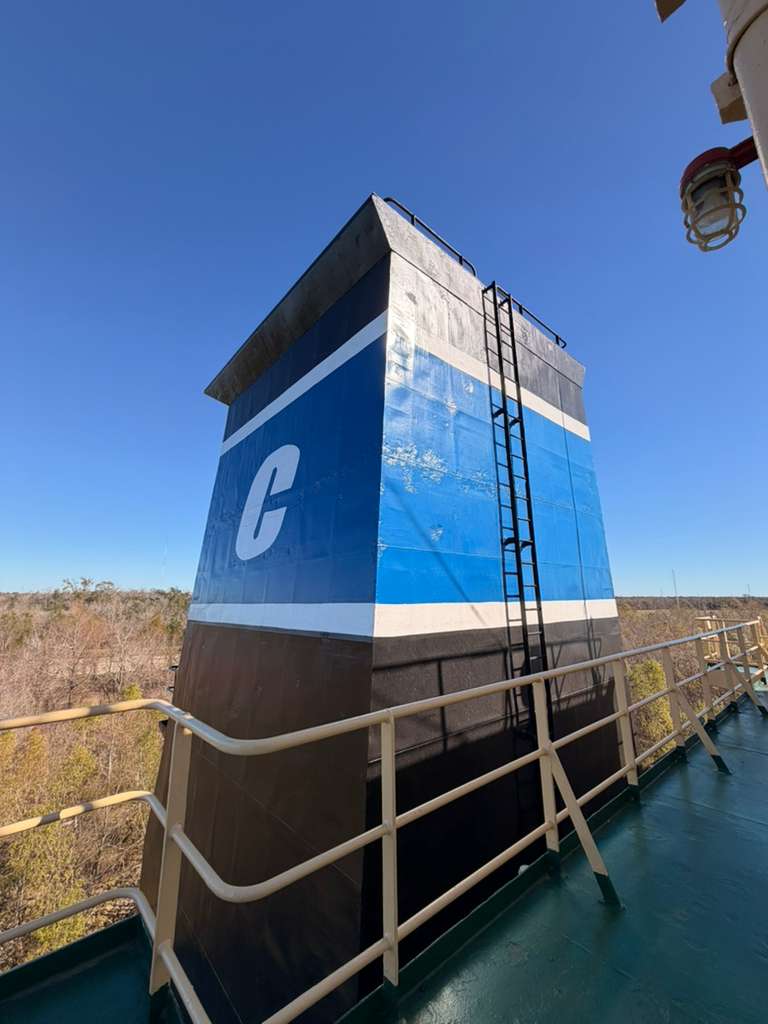
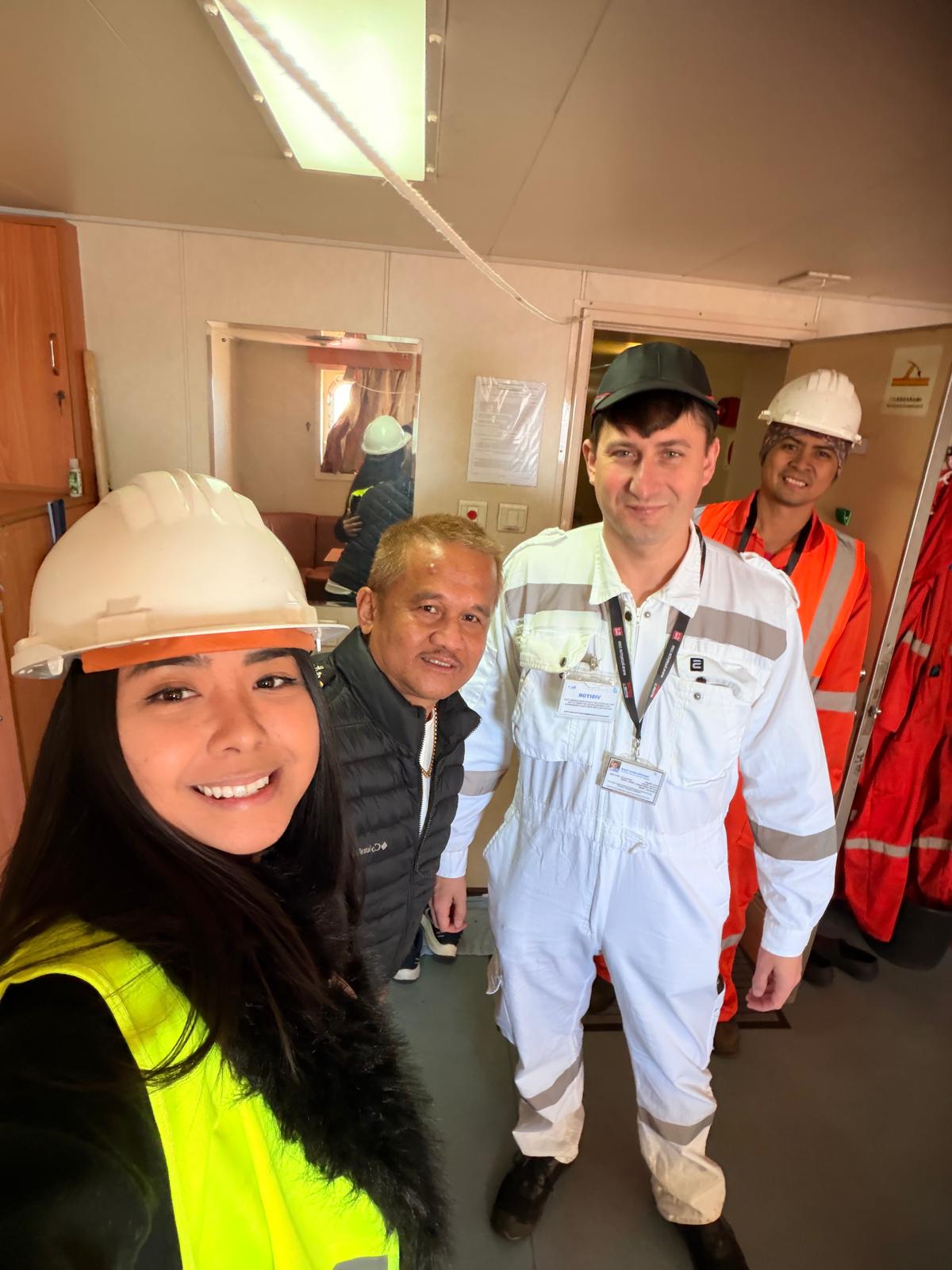
(Captain and Stepan taking a selfie with me on the top-view of the Vessel)
The Data: Why Behavioral Intelligence Matters in Maritime
Gender Demographics & Mental Health
Male Dominance & Mental Health Vulnerability
Women represent only 1.2% to 2% of the global seafarer workforce,(2,3) making maritime one of the most male-dominated industries in the world. This demographic reality has profound implications:
Men's Mental Health Crisis:
Men are 3-4 times more likely to die by suicide than women globally(4,5)
Men account for 75-80% of all suicides(6,7)
Men are significantly less likely to seek help for mental health challenges due to cultural stigma around masculinity(8,9)
In isolated, high-stress environments like seafaring, these vulnerabilities amplify
Traditional masculine norms ("toughen up," "don't show weakness") directly conflict with wellbeing needs(10)
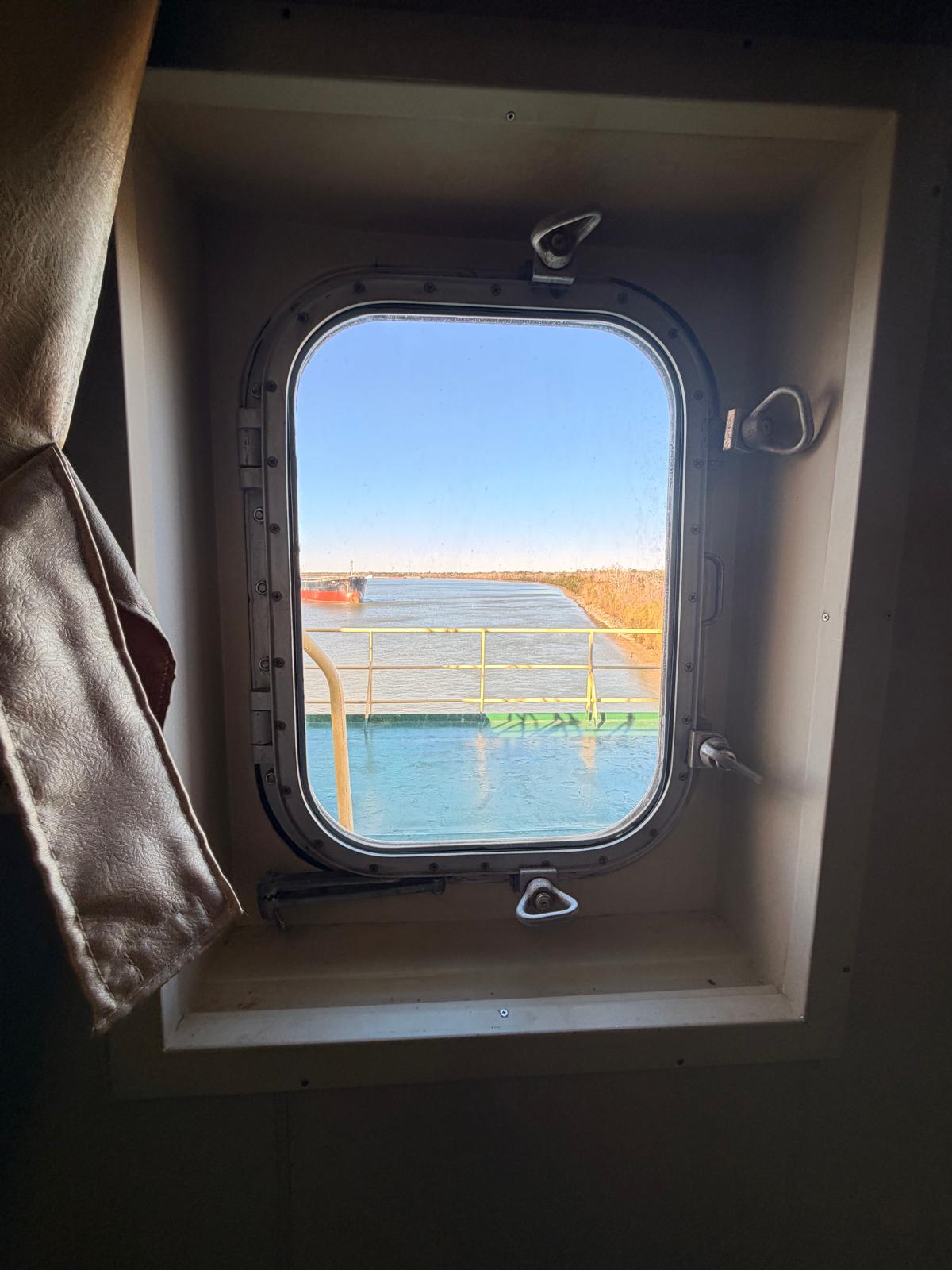
(Window from a Seafarer Quarter)
The Missing Social-Emotional Infrastructure:
Research consistently shows that women score higher on average in emotional intelligence and related competencies:(11,12,13)
Emotional Intelligence: Women score higher on ability-based measures of EI (MSCEIT), particularly in perceiving emotions, understanding emotions, and managing emotions(14,15)
Empathy: Neuroscience research shows women demonstrate higher empathy from birth, with differences growing larger with age and remaining stable across the lifespan(16,17)
Social Cognition: Women are better at recognizing others' emotional states, processing facial expressions, and reading social cues(18,19)
Interpersonal Relationships: Women score higher on interpersonal facets, emotional self-awareness, and building collaborative relationships(20,21)
The near-absence of women in seafaring means the industry operates largely without the social-emotional intelligence that could naturally buffer stress, improve collaboration, and create psychologically safer environments.
This isn't about essentializing gender - it's about recognizing that extreme gender imbalance creates behavioral monocultures that lack critical social skills for wellbeing and collaboration.
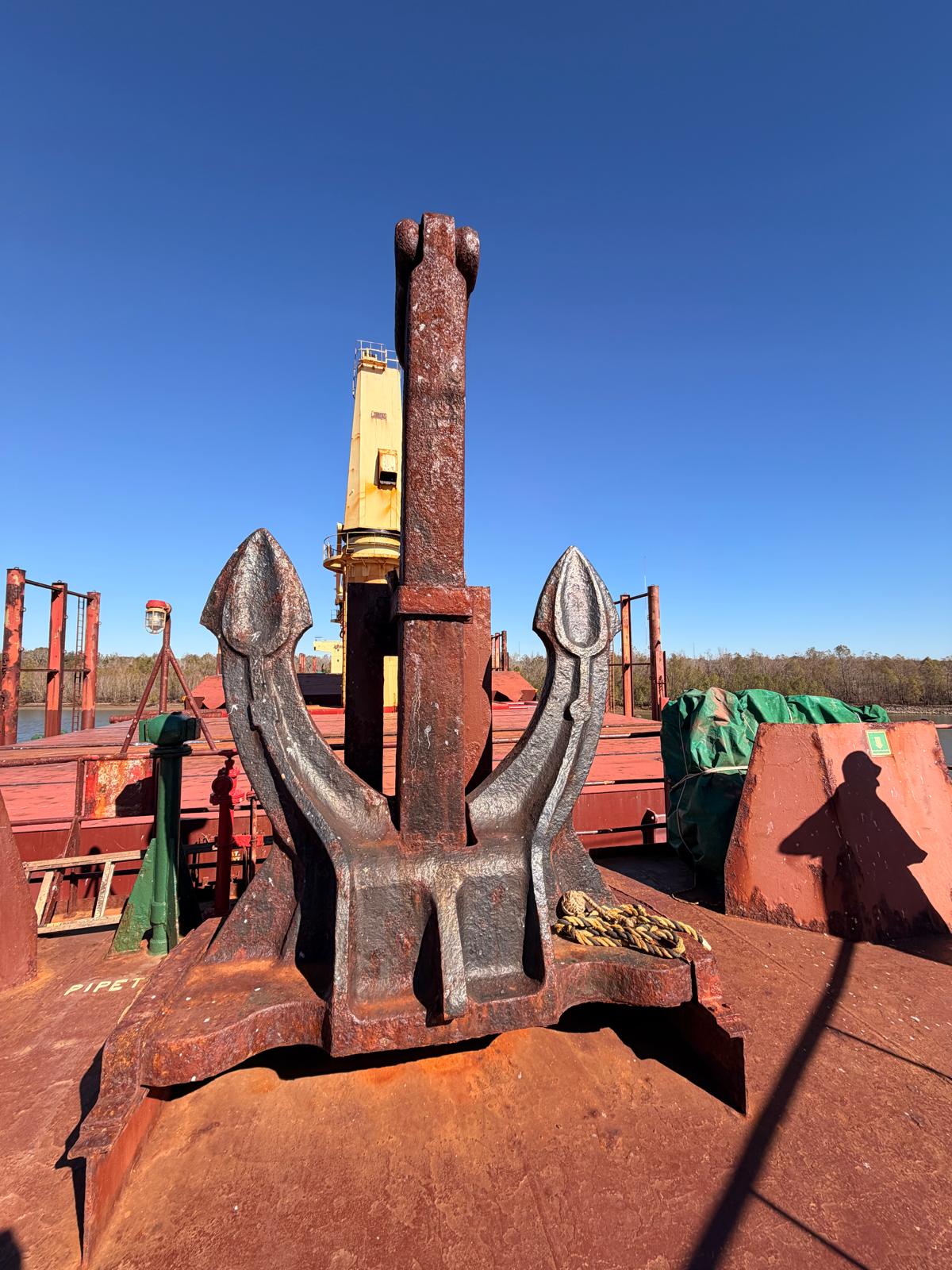
(Extra Anchor)
Harassment, Abuse & Underreporting
The Hidden Crisis
Maritime industry research reveals alarming patterns of harassment and abuse:
Between 8% to 25% of seafarers report experiencing workplace bullying or harassment at sea(22,23)
Over 50% of female seafarers report experiencing harassment or bullying(24,25)
More than two-thirds of women seafarers (67%) and 38% of male seafarers have experienced sexual harassment at some point in their careers(26)
Active seafarers are up to 10 times more likely to experience and witness bullying compared to those who have never been to sea(27)
Only 2.5% of seafarers seek professional help following harassment or traumatic incidents(28)
Underreporting is rampant, with fear of retaliation, lack of follow-through, and unique maritime work structures (hierarchical, isolated, unmonitored) making it extremely difficult for seafarers to speak up(29)
Why Underreporting Happens:
Power Imbalance: Junior crew fear career consequences from reporting senior officers
Isolation: Victims must continue living and working with their abusers for months
Cultural Factors: Masculine norms discourage "weakness" or "complaining"
Systemic Gaps: Unclear reporting mechanisms and limited protection for whistleblowers
Economic Pressure: Losing a contract means losing months of income
The Business Impact:
When harassment and abuse go unaddressed:
Safety Incidents Increase: Psychological distress impairs focus and judgment in safety-critical environments
Collaboration Breaks Down: Trust erodes, communication fails, and team effectiveness suffers
Turnover Accelerates: Talented crew members leave the industry, increasing recruitment costs
Operational Efficiency Declines: Toxic environments reduce productivity and increase errors
Legal & Reputational Risk: Unreported issues eventually surface, creating liability and brand damage
Why Teamwork Isn't Optional at Sea
During my vessel tour, one truth became undeniable: Seafaring is inherently collaborative work where individual negligence creates collective risk.
Operational Interdependence:
One crew member's distraction can endanger the entire vessel
Equipment failures require coordinated emergency response
Navigation, cargo management, and engine operations must synchronize precisely
Safety protocols depend on everyone following procedures consistently
Psychological Safety = Physical Safety:
When crew members don't feel psychologically safe to:
Report hazards or mistakes without fear
Ask questions when uncertain about procedures
Speak up about fatigue, stress, or capability limits
Address interpersonal conflicts before they escalate
...physical safety suffers. The connection isn't abstract - it's causative.
The Collaboration-Performance Link:
Research on psychological safety and team performance demonstrates:(30,31,32)
Psychological safety predicts learning behavior and continuous improvement in teams
Teams with high psychological safety outperform teams without it across multiple performance metrics
Psychologically safe teams report more mistakes (because they feel safe discussing them), which leads to better problem-solving and improved performance
Team cohesion and psychological safety buffer against stress-related performance decline
When mediated by learning behavior and efficacy, psychological safety has a full-mediation effect on team effectiveness(33)
Companies high in psychological safety report 50% higher productivity and 76% more engagement(34)
Human Factors: The Root Cause of Most Maritime Accidents
Research consistently shows that human factors contribute to 70-85% of maritime accidents:(35,36,37,38)
The European Maritime Safety Agency found that 80.1% of investigated marine casualties relate to human action events or human behavior contributing factors(39)
Human factors include: fatigue, communication failures, situational overload, mental stress, inadequate training, and team coordination issues(40,41)
Most maritime accidents are caused by a series of errors rather than a single mistake, highlighting the importance of team coordination and communication(42)
When crew members experience:
Chronic stress and isolation
Bullying, harassment, or toxic work environments
Poor psychological safety (fear of speaking up)
Inadequate emotional and social support
...their ability to maintain the focus, communication, and collaboration required for safe operations deteriorates significantly.
The Retention Crisis: Why Keeping Seafarers Matters
The Scale of the Problem
The maritime industry faces a severe retention crisis:(43,44,45)
55% of seafarers changed employers at least once in the last three years(46)
Industry officer shortages have reached record highs, with a deficit of approximately 9% of the international officer pool in 2023(47)
The industry needs an additional 89,510 officers by 2026 to meet demand(48)
Officer turnover rates have decreased from 8% to 6% industry-wide, but retention remains a critical challenge(49)
Acceptable retention rates are generally 80% or higher; falling below this threshold signals serious workforce instability(50)
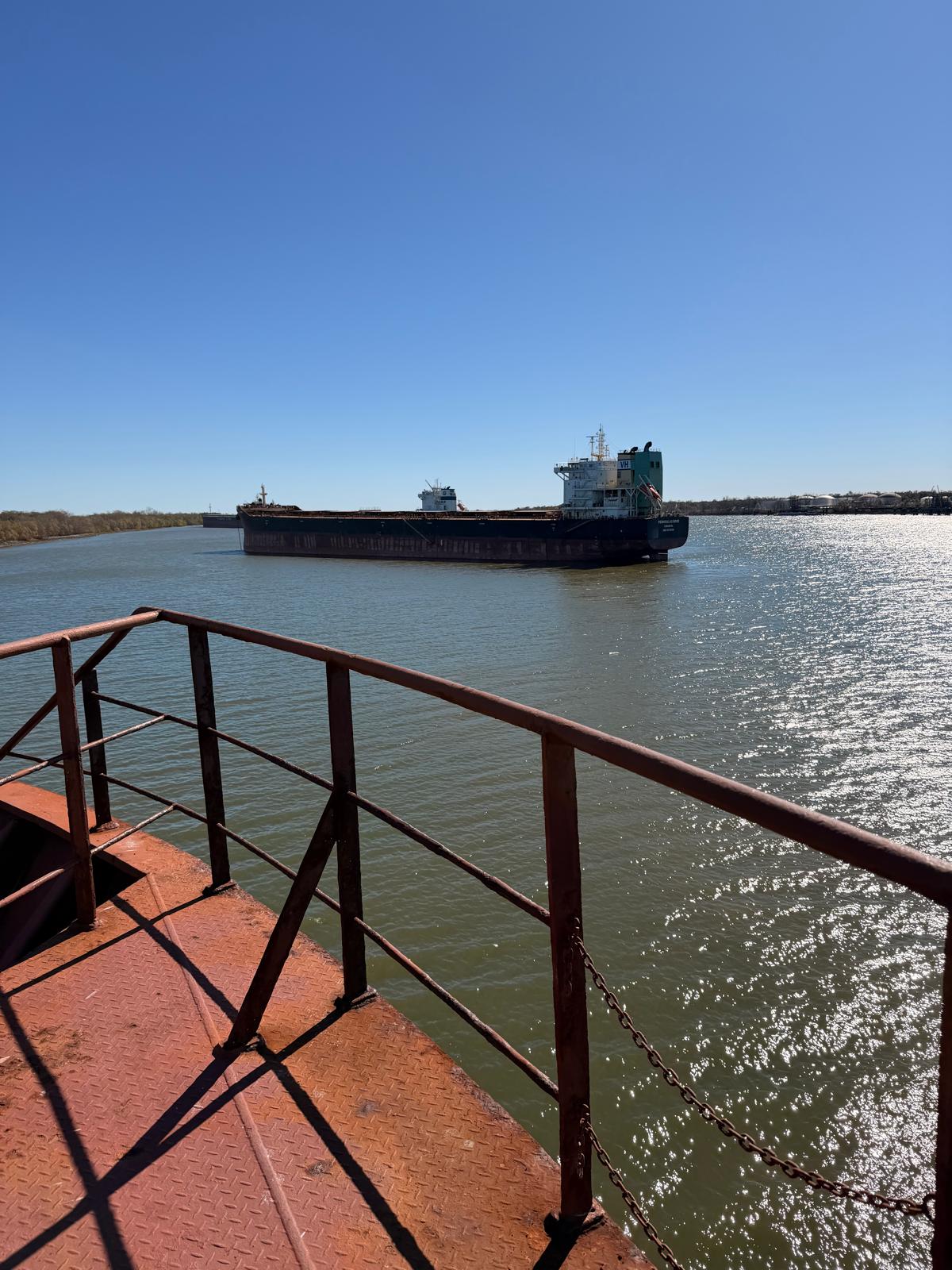
(A refreshing view)
Why Retention Matters: The Business Case
Direct Cost Impacts:
1. Replacement Costs
Recruiting and training a replacement seafarer costs $50,000-$100,000 when accounting for recruitment, onboarding, training, and lost productivity(51,52)
With annual turnover rates of 15-25% in many segments, these costs compound rapidly
2. Safety Performance
Human factors contribute to 70-85% of maritime accidents
Experienced crews make fewer errors and respond more effectively to emergencies
Crew turnover disrupts team cohesion and increases accident risk
3. Operational Disruption
Crew turnover causes disrupted voyages, rising training bills, lower morale, and safety risk(53)
Seasoned crews operate 20-30% more efficiently than constantly rotating crews
High-performing teams with stable membership show significantly better communication, learning behaviors, and operational outcomes
4. Competitive Disadvantage
The global shortage means companies compete intensely for qualified mariners
Maritime firms with poor retention are "comparative laggards in implementing sound human resource management strategy"(54)
Companies with strong retention (>90%) report smoother handovers, stronger officer pipelines, and better operational performance(55)
Why Emotional and Social Intelligence Matter in Maritime Operations
My vessel tour made one thing abundantly clear: the technical skills that get seafarers hired are not the same skills that keep them safe, effective, and retained in their careers.
In high-intensity, high-stakes environments like maritime operations, emotional and social intelligence (EI/SI) aren't "soft skills" - they're survival skills and performance multipliers.
The Case for EI/SI Development
Safety Performance
When human factors contribute to 70-85% of maritime accidents,(35,36) and most accidents result from communication failures, stress, fatigue, and team coordination breakdowns,(40,41) the ability to:
Recognize and manage your own stress and fatigue
Read and respond to others' emotional states
Communicate clearly under pressure
Navigate interpersonal conflicts constructively
Build trust and psychological safety in teams
...becomes as critical as technical navigation or engineering competence.
Research demonstrates:
Teams with high psychological safety show significantly better communication, more learning behaviors, and improved performance outcomes(30,31)
When crew members feel psychologically safe to report hazards, ask questions, and admit mistakes, error reporting increases and accident rates decrease(32,61)
Psychological safety is the engine of team performance, enabling learning behavior and team efficacy(33)
Career Development & Leadership Pipeline
The pathway from junior officer to senior leadership requires more than technical mastery. Senior roles demand:
Managing diverse, multinational crews under high-stress conditions
Conflict resolution and de-escalation in confined, isolated environments
Building team cohesion and morale across cultural and language barriers
Creating psychologically safe environments where crew can perform optimally
Recognizing early warning signs of crew distress, burnout, or interpersonal tensions
Currently, seafarers are promoted based primarily on technical competence and time served, with little systematic development of the EI/SI skills that determine leadership effectiveness.
Organizations that invest in EI/SI training create clear pathways for growth, where seafarers can see themselves developing not just as technical operators but as leaders, mentors, and culture-builders. This sense of progression is a powerful retention driver.
Retention Through Support and Growth
Research on seafarer retention consistently shows that beyond compensation, seafarers value:(43,44,45)
Meaningful careers with purpose and recognition
Feeling supported and psychologically safe
Professional development opportunities
Connection to family and support systems
Health, wellbeing, and work-life balance
When seafarers receive systematic training in emotional and social intelligence, they:
✅ Feel more supported - They gain practical tools for managing the isolation, stress, and interpersonal challenges of life at sea
✅ Feel safer - EI/SI training at the team level creates more psychologically safe environments where people can speak up, ask for help, and address problems early
✅ See pathways for growth - EI/SI development prepares them for senior roles and signals that the company invests in their long-term career progression
✅ Experience better wellbeing - Emotional regulation skills, stress management techniques, and stronger social connections improve mental health
✅ Build stronger teams - Better collaboration, communication, and conflict resolution create more positive work environments
The result: Seafarers who feel supported, safe, and see opportunities for growth are significantly more likely to stay in their roles and in the industry.
The Physical Foundation: Why Fitness Matters at Sea
The Mind-Body Connection in High-Stress Environments
During my vessel tour, I noticed the ship's "gym" - a small room with limited equipment in a confined space. While well-intentioned, the contrast between the physical demands of seafaring and the limited fitness infrastructure was stark.
Physical fitness is often overlooked in discussions of seafarer wellbeing, yet it plays a critical role in both mental health and operational performance in maritime environments.
The Unique Physical Demands of Seafaring
Seafarers face a combination of physical challenges that make fitness essential:
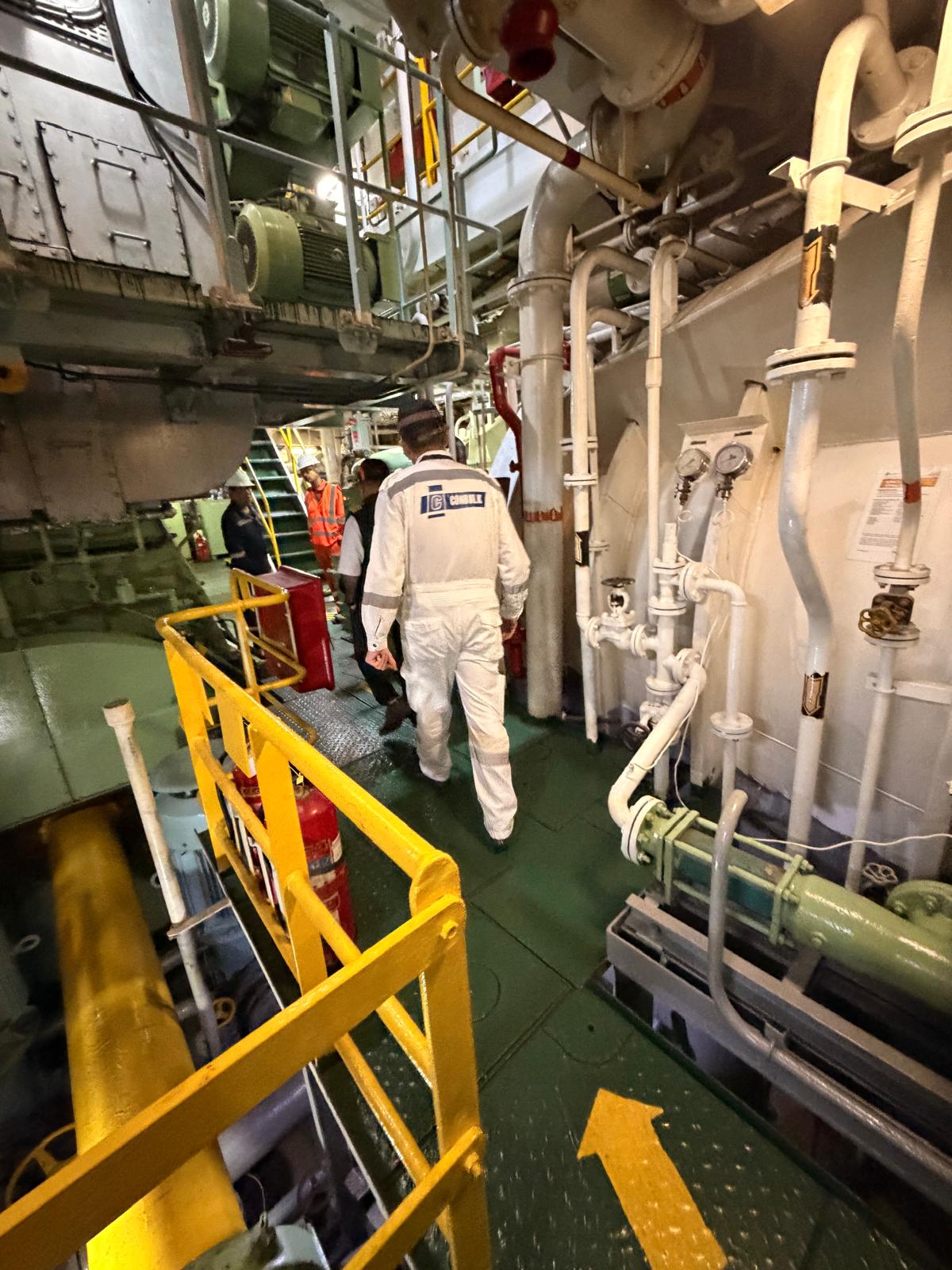
(Navigating the Maze of the Engine Rooms)
Occupational Physical Demands:
Constant movement through challenging terrain: Climbing stairs, navigating tight spaces, moving between stations
Manual handling: Loading, securing, and managing cargo and equipment
Extended periods of standing or physical exertion: Particularly during loading/unloading operations or emergency responses
Balance and coordination: Maintaining stability on moving vessels in rough seas
Sustained alertness: Physical stamina directly impacts cognitive performance during long watches
Environmental Stressors:
Confined spaces with limited movement opportunities
Disrupted circadian rhythms from watch schedules and crossing time zones
Limited access to sunlight and fresh air
Irregular sleep patterns affecting physical recovery
Dietary constraints based on available provisions
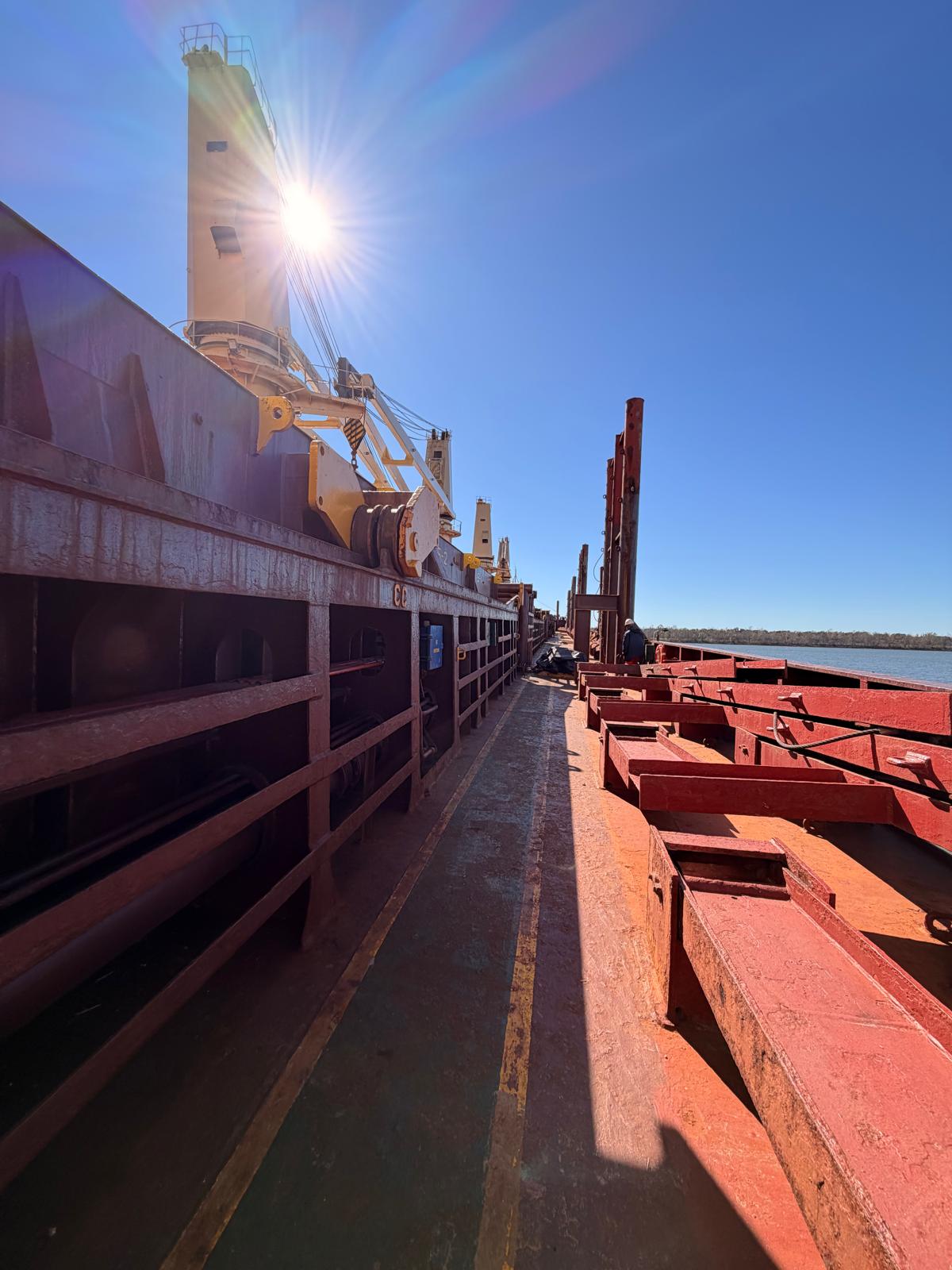
(We walked around the ship once, which totaled to 4,800 steps = 2 miles)
The Research: Physical Fitness Benefits for Seafarers
Mental Health & Stress Management
Physical exercise is one of the most powerful interventions for mental health:(56,57)
Reduces symptoms of depression and anxiety by 25-30% in multiple meta-analyses
Decreases stress hormones (cortisol) and increases endorphins and serotonin
Improves sleep quality, which is often disrupted in maritime work schedules
Provides a healthy coping mechanism for the isolation and confinement of sea life
Enhances emotional regulation and resilience to stressors
For seafarers experiencing isolation, separation from family, and the psychological pressures of confined living, regular physical activity becomes a critical mental health tool.
Cognitive Performance & Safety
Research demonstrates clear links between physical fitness and cognitive function:(58,59)
Improved attention and focus, critical for safety-sensitive operations
Better decision-making under pressure through enhanced executive function
Faster reaction times in emergency situations
Enhanced working memory for complex technical procedures
Reduced cognitive decline from sustained high-stress environments
In environments where human error contributes to 70-85% of accidents, any intervention that improves cognitive performance has direct safety implications.
Physical Resilience & Injury Prevention
Maritime work is physically demanding and carries injury risks:(60)
Muscular-skeletal injuries are among the most common seafarer health issues
Falls and slips on wet, moving surfaces require balance and core strength
Manual handling injuries during cargo operations
Chronic pain from repetitive movements and poor ergonomics
Regular fitness training:
Strengthens muscles and joints to prevent injury
Improves balance and coordination for navigating vessels safely
Builds cardiovascular endurance for sustained physical work
Enhances recovery from the physical demands of the job
Social Connection & Team Cohesion
Physical activity can serve as a social connector among crew:
Group fitness activities build camaraderie and team bonds
Shared physical challenges create positive shared experiences
Exercise provides healthy social interaction outside work duties
Fitness activities can bridge cultural and language barriers
The Integrated Wellbeing Model
Physical fitness doesn't exist in isolation - it's part of an integrated wellbeing ecosystem that includes:
Physical Health: Fitness, nutrition, sleep, injury prevention
Mental Health: Stress management, emotional regulation, psychological support
Social Health: Relationships, team cohesion, connection to family
Professional Development: Skills growth, career pathways, purpose and meaning
When maritime companies address all dimensions of wellbeing, the effects compound:
Better physical fitness → improved mental health → better stress management → enhanced team dynamics
Strong social connections → increased exercise motivation → better physical health → improved job satisfaction
Clear career pathways → sense of purpose → motivation for self-improvement → commitment to fitness and health
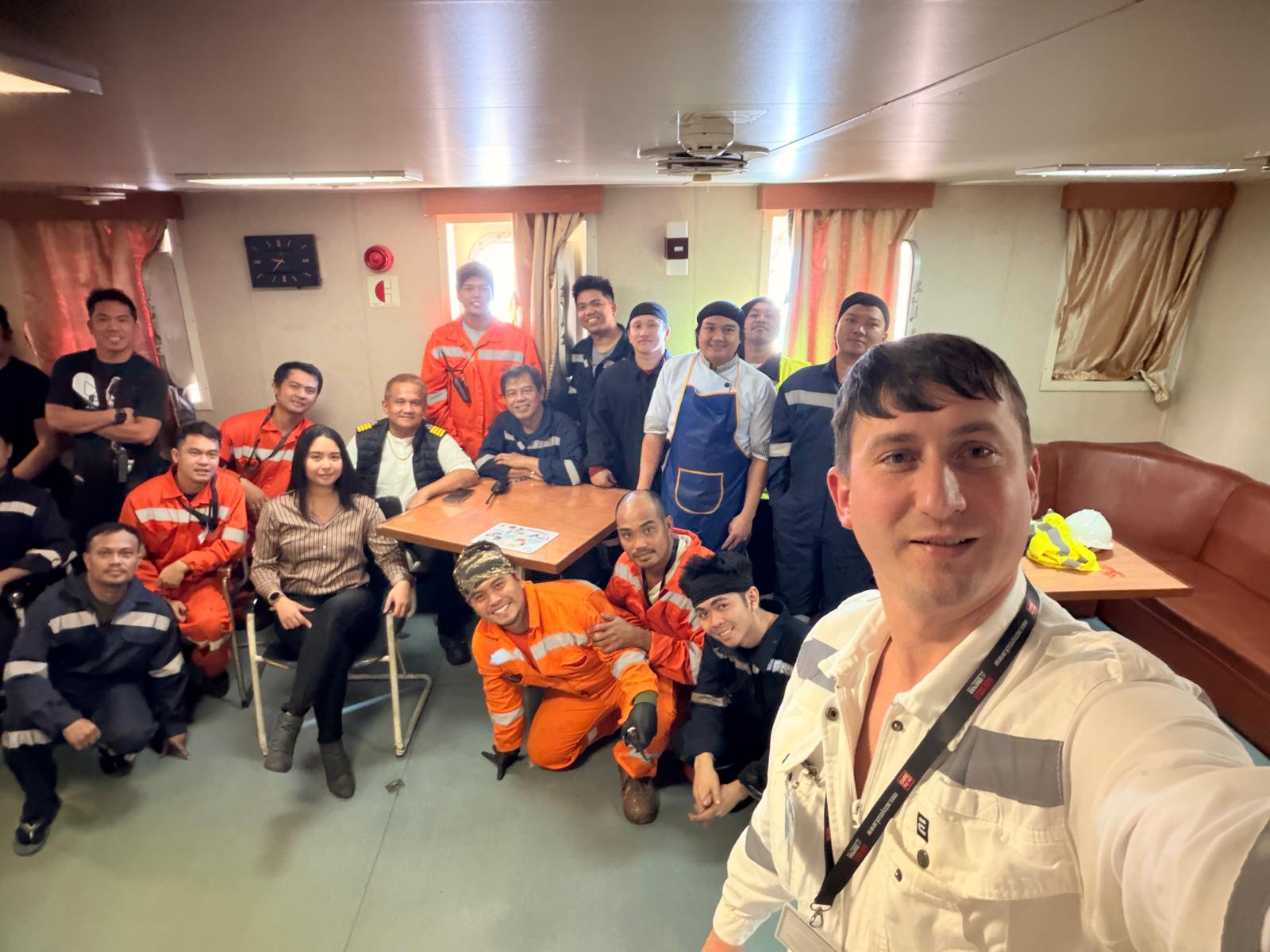
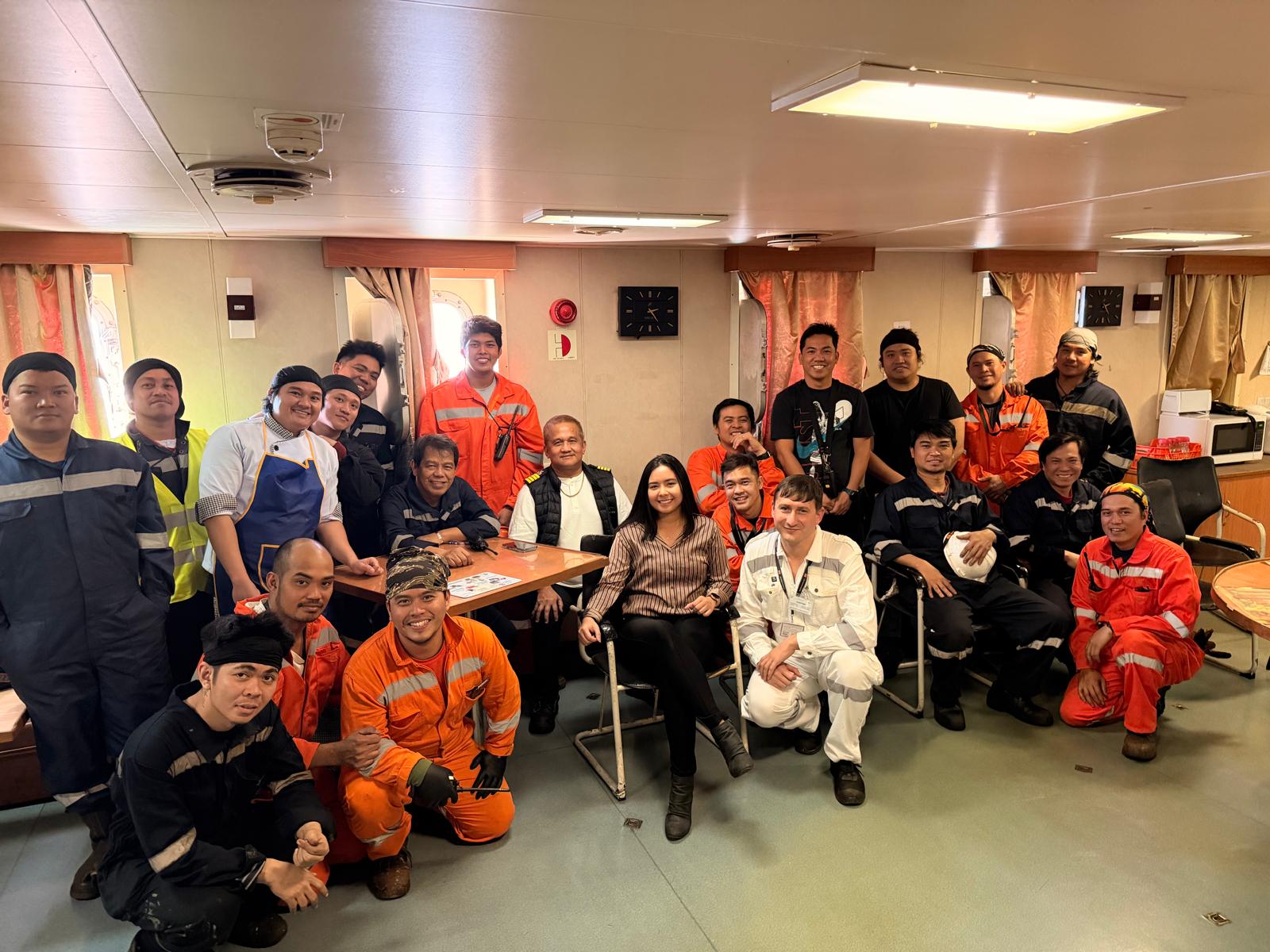
(Final Photo with Crew before my Departure)
Conclusion: The Future of Seafaring is Human-Centered
My vessel tour in New Orleans revealed what research already demonstrates: The maritime industry's greatest untapped resource isn't better equipment or processes - it's better understanding, development, and support for the humans operating those systems.
The new PSSR mandate acknowledges this truth. But compliance alone won't solve the wellbeing crisis, retention challenges, or human factors safety issues at sea.
What's required is recognition that emotional and social intelligence, along with comprehensive wellbeing support, are not optional "extras" but core requirements for safe, effective, and sustainable maritime operations.
The evidence is clear:
Psychological safety directly impacts physical safety
Human factors drive 70-85% of maritime accidents
Retention crises stem from inadequate support for seafarer wellbeing
Emotional and social intelligence are critical leadership competencies
Physical and mental health are inseparable from operational performance
When maritime companies invest in comprehensive, human-centered approaches to seafarer wellbeing - addressing physical health, mental health, social connection, and professional development - they create environments where:
Seafarers experience better mental health, stronger relationships, clearer career pathways, and greater job satisfaction
Teams communicate more effectively, collaborate more productively, and maintain higher psychological safety
Vessels operate more safely, efficiently, and reliably with fewer accidents and incidents
Companies reduce turnover costs, improve retention, attract top talent, and build sustainable competitive advantages
The Industry becomes more resilient, equitable, diverse, and capable of meeting future challenges
The future of seafaring depends on recognizing that technical excellence and human wellbeing are not competing priorities - they are inseparable foundations of maritime success.
About OVUE Corporation
OVUE is a behavioral intelligence company addressing the maritime industry's wellbeing and retention crisis through AI-powered solutions that support both individual seafarers and maritime operations.
Interested in learning more about how behavioral intelligence can support your maritime operations? Contact us for a consultation.
Kenny Berylle, Founder & CEO
OVUE Corporation
This case study is based on first-hand vessel investigation conducted in January 2026 in partnership with Conbulk and EPℇC.
References
(1) Sailors' Society. (2025). State of the Industry Snapshot: Bullying and harassment at sea.
(2) ILO. (2024). Beneath the surface: analyzing the maritime workforce. ILOSTAT.
(3) The Mission to Seafarers. (2023). Diversity in the Maritime Industry.
(4) HeadsUpGuys. (2025). Men's Suicide Stats.
(5) Our World in Data. (2023). Suicides.
(6) NIMH. (2024). Suicide Statistics.
(7) IHME. (2025). About 740,000 global deaths from suicide occur annually.
(8) Priory Group. Why are suicides so high amongst men?
(9) Illinois DPH. Men's Mental Health Facts and Statistics.
(10) Cleary, A., et al. (2023). Editorial: Men, mental health, and suicide. PMC.
(11) Joseph, D. L., & Newman, D. A. (2010). Emotional intelligence: A meta-analysis. Journal of Applied Psychology.
(12) Wikipedia. Sex differences in emotional intelligence.
(13) Psychology Today. (2011). Are Women More Emotionally Intelligent Than Men?
(14) Brackett, M. A., et al. (2006). Relating emotional abilities to social functioning. Journal of Personality and Social Psychology.
(15) Barchard, K. & Dalton, T. Flower power: Women score higher on emotional intelligence.
(16) Christov-Moore, L., et al. (2014). Empathy: Gender effects in brain and behavior. Neuroscience & Biobehavioral Reviews.
(17) Rueckert, L., & Naybar, N. (2008). Gender differences in empathy. Brain and Cognition.
(18) PMC. (2018). Gender differences in emotion perception and self-reported emotional intelligence.
(19) ScienceDirect. (2022). Sex differences in emotional and meta-emotional intelligence.
(20) Meshkat, M., & Nejati, R. (2017). Does Emotional Intelligence Depend on Gender? SAGE Journals.
(21) ResearchGate. (2022). Gender Influence On Emotional Intelligence.
(22) Osterman, C., & Bostrom, M. (2022). Workplace bullying and harassment at sea. Maritime Studies.
(23) Maritime Trainer. How Harassment and Bullying Affect Seafarers' Mental Health.
Next Articles